



Insights on returns, recommerce and circularity at NRF Rev 2026
)
From left: Phoenix Innovations CEO & Founder Amit Mahajan speaks with EssilorLuxottica Sr. Director of After Sales Vince Pusateri and Best Buy Sr. Director of Reverse Secondary Markets Chris Woodbury at NRF Rev 2026.
This year’s inaugural NRF Rev conference highlighted how reverse logistics is now a strategic advantage for the retail and manufacturing industries. Across two days of sessions, roundtables and networking, leaders from top brands, manufacturers and third-party service providers shared how returns, recommerce and circularity are reshaping the retail industry.
Scot Case, NRF’s vice president of corporate social responsibility and sustainability, set the tone both days with a reminder that what one consumer no longer wants can become another customer’s treasure. Reverse logistics makes that transformation possible.
The shift from viewing returns as operational waste to seeing them as resale value is the mindset driving today’s leaders as they redesign their operations with customer trust, efficiency and sustainability at the core.
Strategic partnerships
Few brands embody this philosophy more fully than IKEA. Javier Quiñones, former IKEA USA CEO who was recently promoted to commercial manager for IKEA’s parent Ingka Group, emphasized that sustainability has been embedded in the company’s DNA since its inception. IKEA not only focuses on managing raw material costs but also targets reverse logistics costs as part of its overall value strategy. Through peer-to-peer resale platforms, buyback services and a growing spare parts catalog, the company has improved the customer experience while reducing the need to open returned boxes, saving both time and money.
NRF Rev
Stay up-to-date on the latest news and articles about NRF Rev
Quiñones stressed that partnerships are essential to progressing in reverse logistics: Retailers “can’t do everything” and should embrace collaboration. His advice to the audience was to treat reverse logistics as an opportunity, not a threat.
The importance of partnerships was noted throughout the conference. Target shared how its reverse logistics strategy has evolved by moving from a one-size-fits-all approach to a more proactive, measurable strategy enabled by its partnership with BStock.
HP echoed the theme, noting the importance of external partners in running returns operations effectively. Julie Ryan, senior manager of North American returns and remarketing, said that while partners handle the execution, HP maintains tight control over standard operating procedures and operational standards, ensuring consistency across touchpoints.
Customer-first models
The conference emphasized that “one size does not fit all” and retailers should avoid projecting forward omnichannel models onto reverse logistics. As Incisiv Chief Strategy Officer Giri Agarwal pointed out, reverse flows behave differently from forward flows and require their own strategies, metrics and investment.
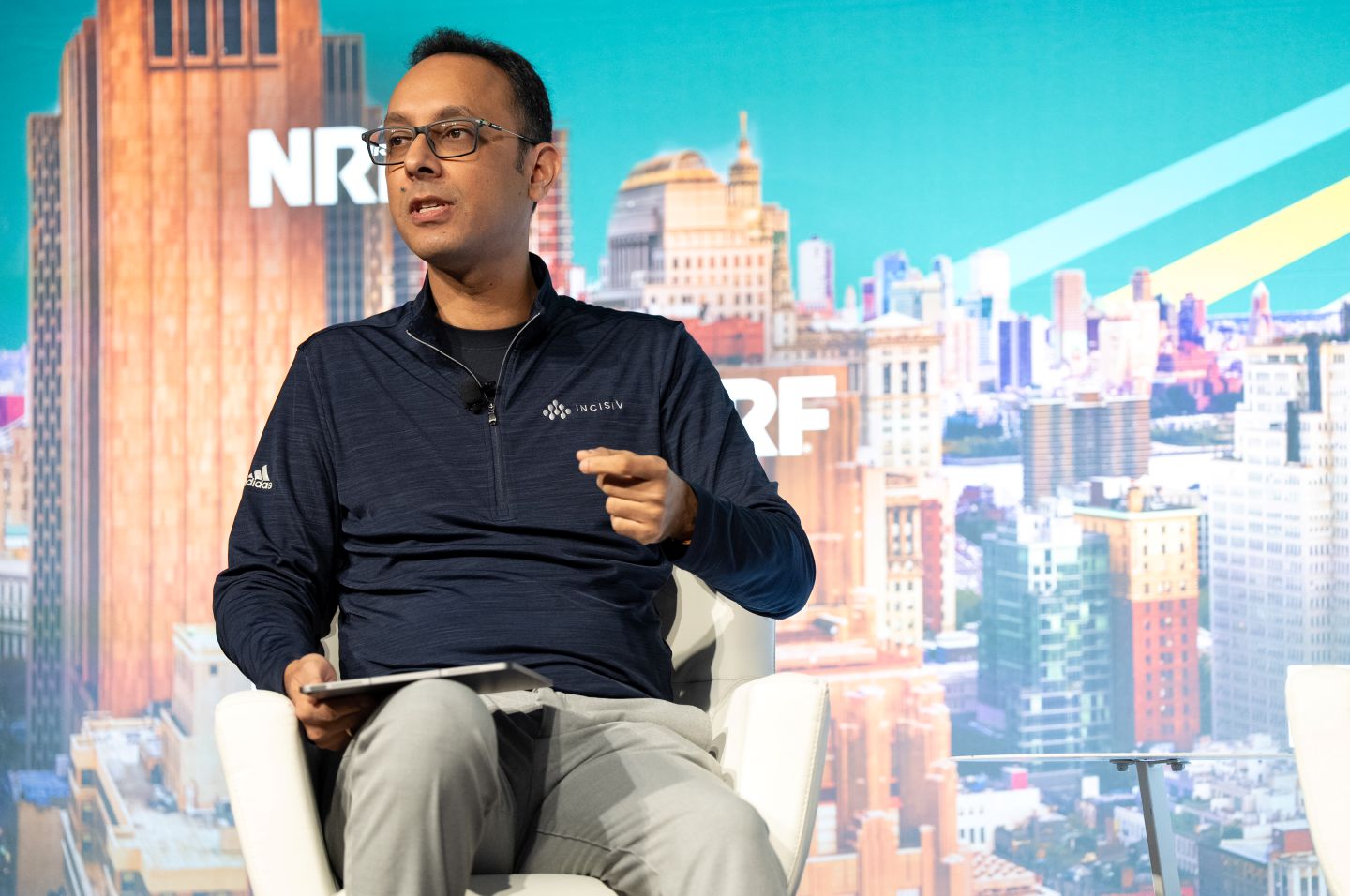
Incisiv Chief Strategy Officer Giri Agarwal speaks at NRF Rev 2026.
Best Buy provided an example of tailoring returns management to customer behavior. Senior Director of Reverse Secondary Markets Chris Woodbury described how the Best Buy team used data-driven insights to show that its shoppers did not want all openbox items shelved together. Instead, they wanted to see them next to new items for easier comparison. As a result, Best Buy improved both customer experience and conversion rates.
Customer trust also emerged as a recurring theme across sessions. Tetyana Buhera, director of global business development at Flex, reminded attendees that the best endorsement for refurbished goods is a happy customer. Transparency is key: Craig Hosie, president of Rebel, said his platform clearly communicates every scratch, dent or imperfection. When customers know exactly what they’re getting, the resale ecosystem thrives, according to Hosie. Similarly, eBay General Manager of U.S. Fashion Garry Thaniel emphasized that trust is the company’s “secret sauce.”
Tools built for action
Throughout the two days, conversations about “good data” and artificial intelligence were heard on stage and during networking periods. Rob Sondergaard, returns and fraud director at Abercrombie & Fitch, highlighted how forecasting labor needs and preparing stores for return volumes depends heavily on strong analytics; HP’s Ryan told the audience that HP is looking to AI to help speed its returns process.
One of the most unique and valuable aspects of NRF Rev was its interactive, practitioner to practitioner roundtables. These small group discussions allowed participants to speak openly about the challenges and opportunities of reverse logistics. One participant summed it up best: The aim wasn’t to debate theory but to create a trusted space for authentic operational dialogue.
Insights from these sessions added even more depth to the conference. In one roundtable, Liza Amlani of The Retail Group urged brands to incentivize merchants and product teams to review return reasons, transforming simple dashboards into action oriented tools that close the loop between product development and reverse logistics. In discussions on electronics and ewaste, Kenny Arnold of The Ellen MacArthur Foundation called for better, not just more, collection systems. In another roundtable discussion, Alon Rotem of ThredUp emphasized that brands need data that proves resale doesn’t cannibalize new product sales.
Reverse logistics has a significant impact on customer loyalty, operational efficiency, sustainability goals and revenue recovery. As participants and speakers emphasized throughout the two-day conference, there is a lot of untapped value in reverse logistics waiting to be unlocked.